Loose Parts as a Language for Thinking
The materials are just the beginning.
Bric-o-Box invites children and adults to notice, wonder, experiment, and imagine with open-ended materials.
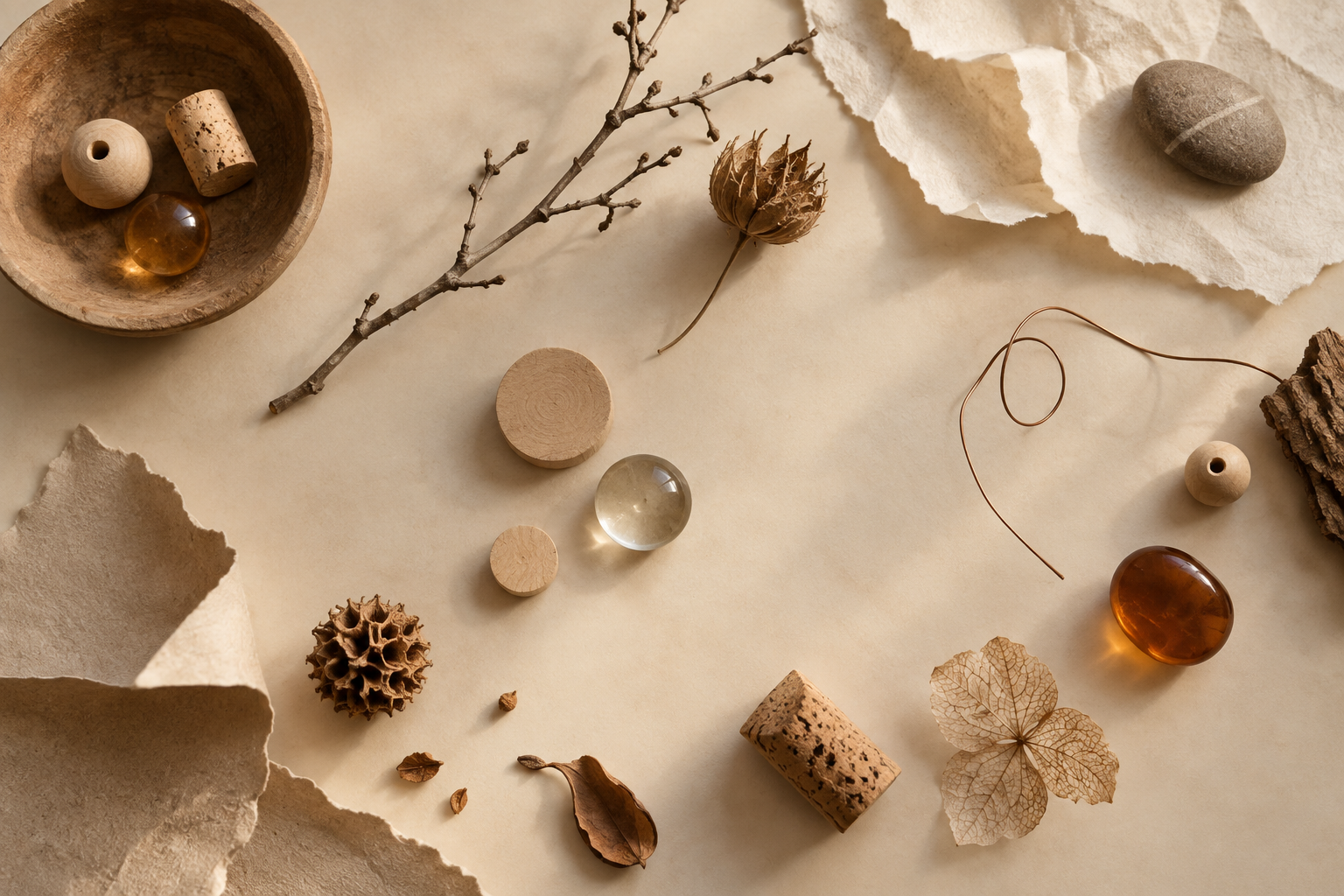
An invitation, not an instruction
A box full of possibilities—not a project to copy.
Children invent, combine, transform, and revisit their ideas. You don’t need to direct the play. Make space, stay curious, and notice what your child is exploring.
Materials become thinking partners.
Hands-on professional learning helps early-childhood teams use loose parts to support inquiry, collaboration, true creativity, and emergent curriculum.
- ExploreSlow down, handle the materials, and notice the possibilities they invite.
- ObserveLook for children’s strategies, theories, relationships, and changes in thinking.
- RespondChoose words, materials, and next steps that extend ideas without taking them over.
Stay close to the thinking—not just what gets made.
You do not need a lesson plan or the perfect question. A few careful observations can help your child feel seen while keeping the play open.
Curiosity, made visible.
Avril Landes is an early-childhood educator and school leader with more than 25 years of experience supporting children’s creativity and curiosity.
Through Bric-o-Box, Avril creates tactile workshops and thoughtful provocations that help educators, families, and school communities see open-ended materials as tools for thinking, expression, and learning.
Her approach is Reggio-inspired, reflective, and grounded in trust in children’s ideas and capabilities: there is no single right response, and no finished product children are expected to make.
— Avril Landes